


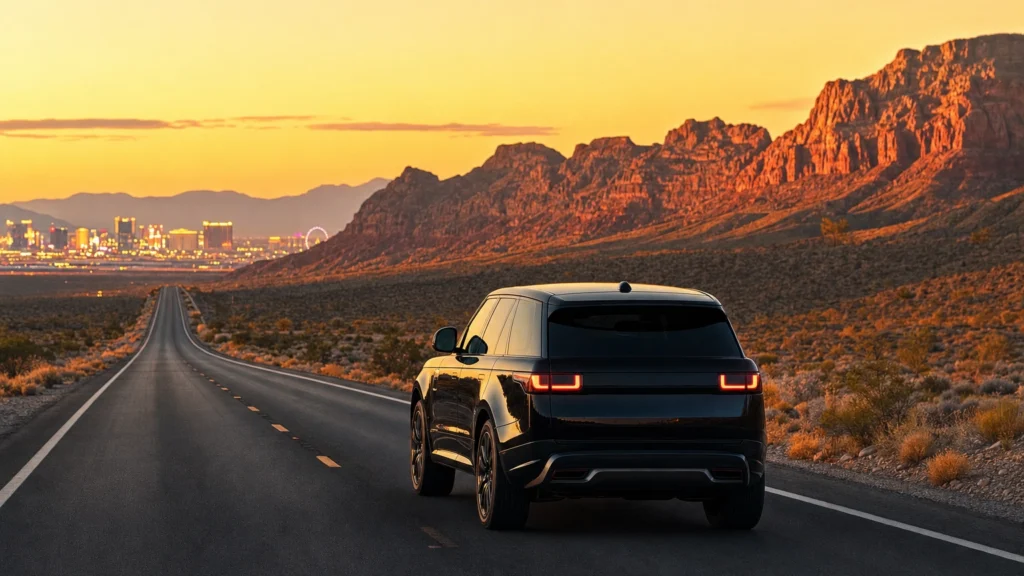
Quick answer: The best day trips from Las Vegas fall into a few clear groups. For close-in desert scenery under an hour away, choose Red Rock Canyon or Valley of Fire. For a landmark and water, the Hoover Dam and Lake Mead. For a national park in a single day, Death Valley, Zion, or the Grand Canyon West Rim. For a summer heat escape, Mount Charleston. The far bucket-list drives, the Grand Canyon South Rim, Sedona, and Page, Arizona, are best as overnights.
Las Vegas may be the best-placed city in America for a day trip. Within a two-hour drive of the Strip you can stand on a red-rock canyon rim, walk the lowest point in North America, cross one of the great engineering feats of the last century, or trade 110-degree heat for a pine forest at 8,000 feet. This planner is the hub for all of it. Instead of a single countdown, it sorts every worthwhile destination by the things that actually decide your day: what kind of place it is, how far it sits, and which season it belongs to. Use it to match a trip to the hours you really have, then follow the deeper guide for whichever one you pick.
- Closest big win: Red Rock Canyon, about 17 miles and 30 minutes from the Strip, is world-class scenery you can see in half a day.
- Two icons, one drive: The Hoover Dam sits directly on the route to the Grand Canyon West Rim, so many visitors see both in a single day.
- Closest national park: Death Valley, about two hours out, is the nearest of several parks that fit into one full day, alongside Zion and Grand Canyon West.
- Summer rule: When the valley bakes, go up in elevation (Mount Charleston, higher park rims), not out into the low desert.
- Prefer a ranked list? See our companion guide to the 10 day trips ranked by drive time. This page is the by-type planner and links to a deep guide for each destination.
What’s in This Planner
- How We Chose These Day Trips
- Close-In Desert Nature (Under an Hour)
- The Mountain Escape (Great in Summer)
- Water, River, and Engineering
- National Parks Within a Day
- The Big Bucket-List Drives (Overnight-Worthy)
Plan your trip:
How We Chose These Day Trips
A great day trip is not just the prettiest place. It is the place that gives you the most in return for a single day, without the drive swallowing the whole point of going. As a Las Vegas transportation company, Personal Sedan Services runs these routes with visitors year-round, so this planner weighs the things that actually decide whether a trip is worth it:
- Drive time each way. Anything under about two hours leaves real time at the destination. Past that, the drive starts to dominate the day.
- Payoff. How memorable and how uniquely Southwestern the experience is once you arrive.
- Ease. Paved roads, clear access, and how much planning the trip needs, from timed-entry permits to fuel stops.
- Season flexibility. Whether the trip works year-round or belongs to certain months.
- Who it suits. Families, couples, first-timers, hikers, or groups. Every destination below includes a “Best for” line.
Rather than force ten places into a straight ranking, this hub groups them by the kind of day they deliver, then gives you three ways to narrow the choice: by time, by season, and by pairing two into one drive. Every distance and drive time is approximate and measured from the Las Vegas Strip; actual times vary with traffic, weather, and stops.
See our Las Vegas attractions transportation
Close-In Desert Nature (Under an Hour)
If you have only a few free hours, you do not have to go far. Two of the most striking landscapes in the Southwest sit within an hour of the Strip, close enough to be back in the city for lunch or a show.
Red Rock Canyon (About 30 Minutes)
Best for: First-timers, families, and anyone who wants big desert scenery without a big drive.
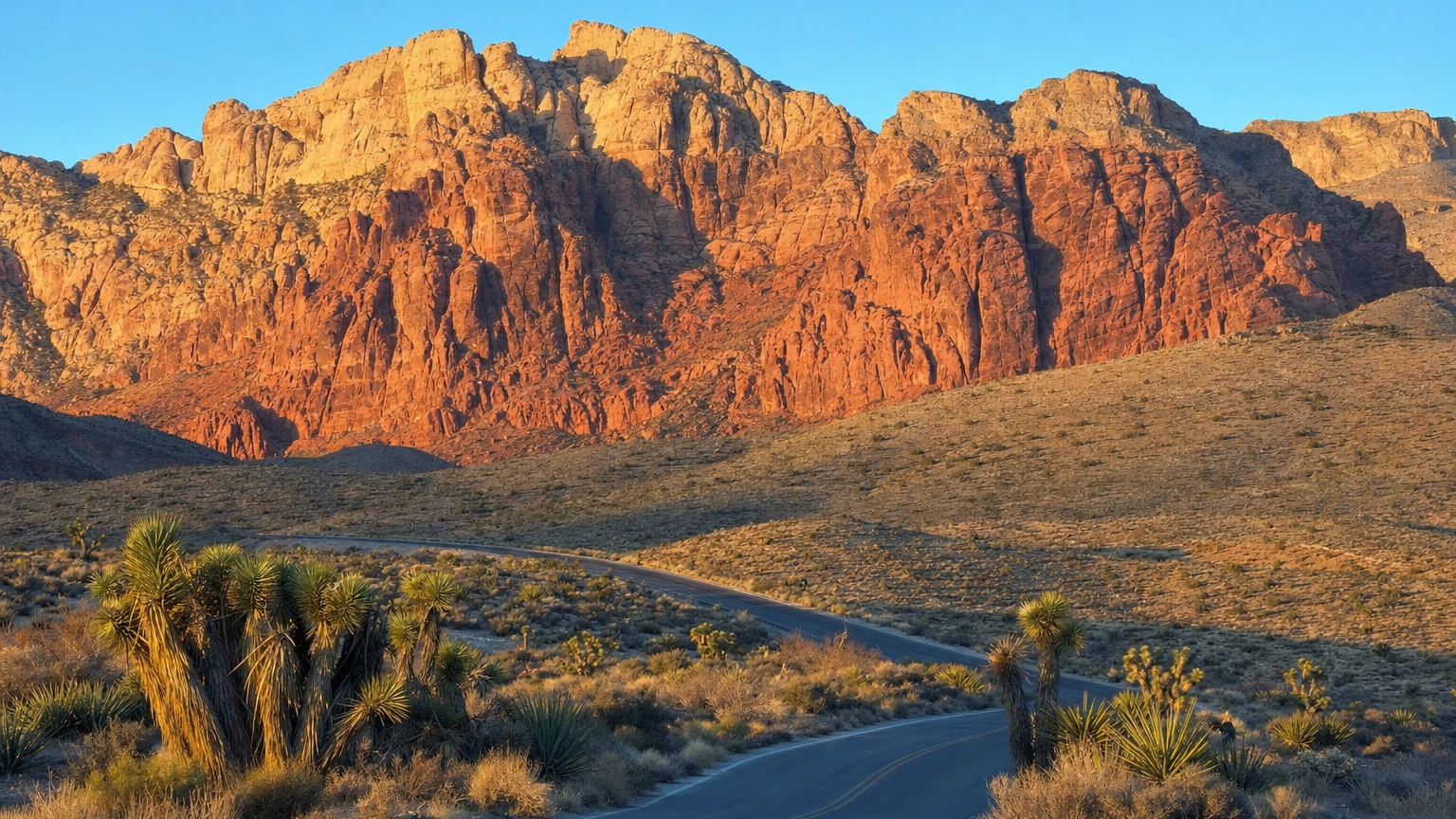
Red Rock Canyon National Conservation Area sits about 17 miles west of the Strip on State Route 159, close enough that you can be among towering red-and-cream sandstone cliffs less than 30 minutes after leaving your hotel. The centerpiece is a 13-mile, one-way Scenic Drive that loops past the canyon’s most dramatic formations, with pullouts for photos, short hikes, and rock-climbing overlooks. One 2026 detail matters: the Scenic Drive uses a timed-entry reservation from October 1 through May 31, required for entry between 8 a.m. and 5 p.m., booked in advance through Recreation.gov for a small fee on top of the standard entrance fee. Outside those months, or before 8 a.m. and after 5 p.m. year-round, no reservation is needed.
Concierge tip: Red Rock is at its best in early morning light, which is also the easiest time to get in without a reservation. A sunrise visit means golden canyon walls, cooler air, and an empty Scenic Drive, and you are back in the city by lunch. For the full route and timing, see our guide to how far Red Rock Canyon is from Las Vegas.
Source: Bureau of Land Management official page | Red Rock Canyon timed-entry information
Valley of Fire State Park (About 1 Hour)
Best for: Photographers, couples, and anyone chasing the most otherworldly scenery close to the city.
About 50 miles northeast of Las Vegas, Valley of Fire is Nevada’s oldest state park, dedicated in 1935, and it may be the most photogenic hour you can spend near the city. Its nearly 46,000 acres of 150-million-year-old bright red Aztec sandstone glow like embers at sunrise and sunset, which is how the park earned its name. The scenic drive winds past named formations like the Fire Wave, Elephant Rock, and the Seven Sisters, with short trails and ancient petroglyphs along the way. Because there is no shade and the rock radiates heat, this is a cool-season trip: fall through spring is ideal, and summer visits should stick to early morning.
The park sits just past the town of Moapa Valley, so it pairs well with a fuller day in the area. See our Moapa Valley area guide for where to stop along the way.
Source: Nevada State Parks, Valley of Fire
Quick add-on: Even closer is Seven Magic Mountains, artist Ugo Rondinone’s stack of neon-painted boulders about 10 miles south of the city off Interstate 15. It is free, takes 30 minutes, and is one of the most photographed spots near Las Vegas. Confirm it is still open before you drive out, as its long-term future has been in question.
The Mountain Escape (Great in Summer)
Mount Charleston (About 45 Minutes)
Best for: A summer heat escape, hikers, and a change of scenery from red rock to pine forest.
When the valley hits 110 degrees, locals drive up. Mount Charleston, part of the Spring Mountains National Recreation Area about 35 miles northwest of the city, is close enough for a 45-minute trip and high enough to feel like a different state. Its summit, Charleston Peak, tops out at 11,916 feet, the highest point in the Las Vegas area, and the alpine air runs roughly 20 to 30 degrees cooler than the Strip. Kyle Canyon and Lee Canyon offer shaded hiking trails, picnic areas, a lodge, and, in winter, the Lee Canyon ski resort.
This is the rare Las Vegas day trip that is better in summer than winter, though it is lovely with snow too. Bring a jacket even in July, since the temperature swing from the valley floor catches people off guard. It is also one of the shortest drives on this list, which makes it an easy half-day when the forecast turns brutal.
Source: U.S. Forest Service, Humboldt-Toiyabe National Forest
Water, River, and Engineering
Not every trip out of Las Vegas is a hike. A cluster of destinations to the southeast trades the desert for concrete, the Colorado River, and open water.
Hoover Dam and Lake Mead (About 45 Minutes)
Best for: History and engineering fans, first-time visitors, and anyone wanting a landmark without a long drive.
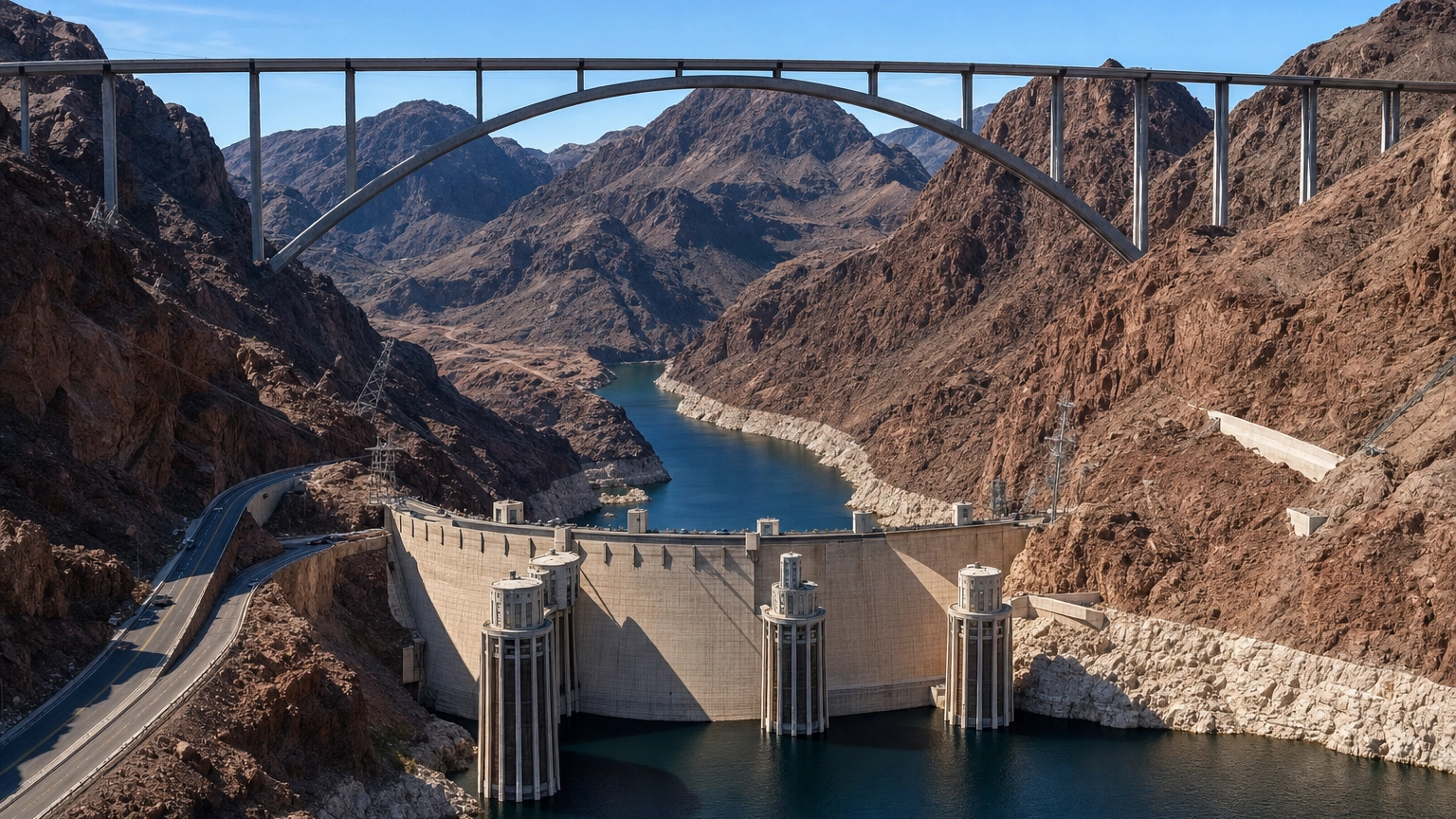
About 35 miles southeast of Las Vegas, straddling the Nevada-Arizona border, the Hoover Dam is one of the most recognizable structures in the country and an easy 45-minute drive. Rising 726 feet from bedrock, the dam holds back the Colorado River to form Lake Mead, the largest reservoir in the United States by capacity. You can walk across the top for free, take in the Art Deco design, and cross the pedestrian walkway on the Mike O’Callaghan-Pat Tillman Memorial Bridge for the classic head-on view. To go inside, the Visitor Center, Power Plant Tour, and longer Guided Dam Tour run daily.
The dam sits right next to Boulder City, the small town built to house the dam’s construction crews, which makes a charming lunch stop. See our complete Boulder City guide for where to eat and what else to see, and our guide to how far the Hoover Dam is from Las Vegas for the route. Nearby Lake Mead adds swimming coves, boat launches, and scenic drives just outside the city.
Source: U.S. Bureau of Reclamation, Hoover Dam | Lake Mead National Recreation Area (NPS)
Laughlin (About 1.5 Hours)
Best for: A relaxed, low-key casino and river day away from the Strip crowds.
About 90 miles south, tucked into Nevada’s far southern tip on the banks of the Colorado River, Laughlin is a mellower, more affordable cousin of Las Vegas. Its riverfront strip of casino resorts faces the water rather than a boulevard, and the big draw is the river itself: boat cruises, jet skis, and fishing on Lake Mohave, plus a pleasant Riverwalk connecting the hotels. At roughly an hour and a half each way, Laughlin sits in an easy sweet spot, far enough to feel like a real trip, close enough to be back the same night. For the full route, see our guide to how far Laughlin is from Las Vegas.
Source: Travel Nevada, Laughlin
National Parks Within a Day
Three national-park-caliber destinations sit close enough to see and return the same day. In 2024 the National Park Service recorded a national high of 331.9 million recreation visits, and Southern Nevada sits within a day’s drive of some of the most-visited landscapes in that count.
Death Valley National Park (About 2 Hours)
Best for: National park collectors, landscape lovers, and travelers drawn to extremes.
Death Valley is the closest national park to Las Vegas, about 120 miles and a two-hour drive to the Furnace Creek area, and it is a land of superlatives. It is the largest national park in the lower 48 states, and it holds the record for the hottest reliably recorded air temperature on Earth, 134 degrees, set at Furnace Creek on July 10, 1913. The highlights cluster close enough for a single day: Badwater Basin, the lowest point in North America at 282 feet below sea level; the swirling colors of Artist’s Palette; and the sculpted badlands of Zabriskie Point at sunrise.
Do not treat Death Valley casually: this is a genuine desert, and its name is earned. Visit October through April, never hike at low elevation in summer heat, carry far more water than you think you need, and top off your fuel before you enter, because services inside the park are limited and far apart. For the full breakdown and best months, see our guide to how far Death Valley is from Las Vegas.
Source: Death Valley National Park (NPS)
Grand Canyon West and the Skywalk (About 2 to 2.5 Hours)
Best for: First-time canyon visitors who want the bucket-list view and to be back in Vegas by dinner.
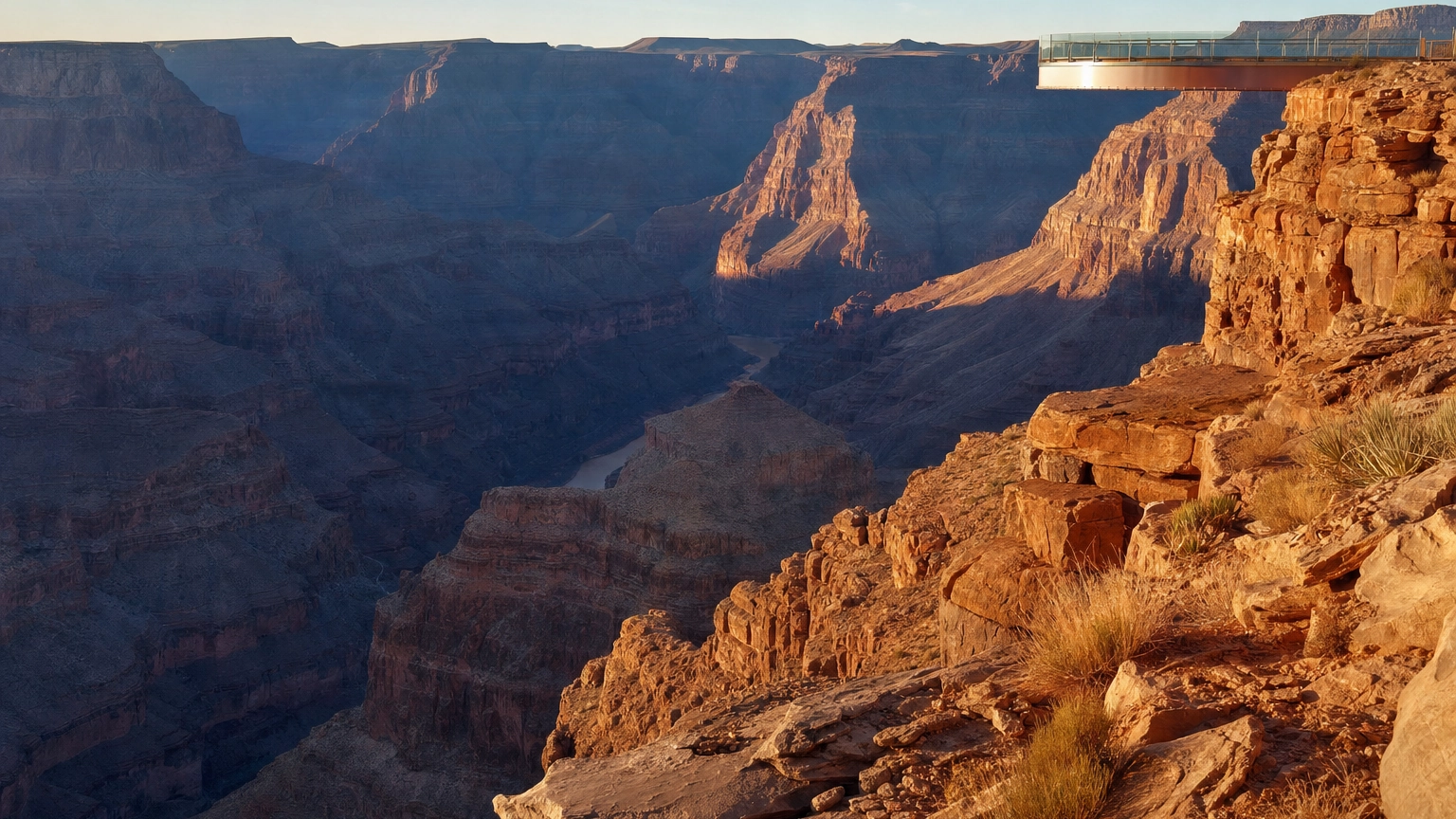
The rim of the Grand Canyon closest to Las Vegas is not the national park, which surprises a lot of travelers. Grand Canyon West, about 125 miles away and a 2 to 2.5 hour drive, is owned and operated by the Hualapai Tribe, and it is the most realistic way to see the canyon and return the same day. The headline attraction is the Skywalk, a glass-bottom, horseshoe-shaped bridge that extends out over the rim about 4,000 feet above the canyon floor at Eagle Point. Because the route runs right past the Hoover Dam, the West Rim is the easiest way to knock out two icons in one day.
If you want the full breakdown of distances and rims, see our guide to how far the Grand Canyon is from Las Vegas, and for the packaged bus, helicopter, and Skywalk options, compare them in our roundup of Grand Canyon tours from Las Vegas.
Source: Grand Canyon West official site
Zion National Park (About 2.5 to 3 Hours)
Best for: Hikers and travelers who want the most dramatic canyon payoff within a long day.
About 160 miles northeast in southwestern Utah, Zion is worth every mile. Sheer sandstone walls in cream, pink, and rust rise 2,000 feet straight up from a green river canyon, and the park’s trails, from the flat Riverside Walk to the vertigo-inducing Angels Landing, are some of the most famous in the country. Zion drew 4.94 million recreation visits in 2024, ranking as the second most-visited national park in the United States that year, just ahead of the Grand Canyon.
A few logistics make or break a Zion day trip. Private vehicles are not allowed on the Zion Canyon Scenic Drive during most of the year; instead you park and ride the free park shuttle, which stops at every trailhead. At 2.5 to 3 hours each way, Zion is a full, early-start day, and the extra drive is exactly why many groups let a chauffeur handle it so everyone arrives fresh for the trails. See our guide to how far Zion National Park is from Las Vegas for the route and shuttle details.
Source: Zion National Park (NPS)

The Big Bucket-List Drives (Overnight-Worthy)
The farthest destinations are the ones most travelers get wrong. Each is spectacular, but at four or more hours each way, a same-day round trip means the drive, not the destination, defines the day. These reward an overnight or a chauffeured drive that splits the miles.
Grand Canyon South Rim (About 4.5 Hours)
Best for: Travelers set on the classic national park view who can commit to a long day or an overnight.
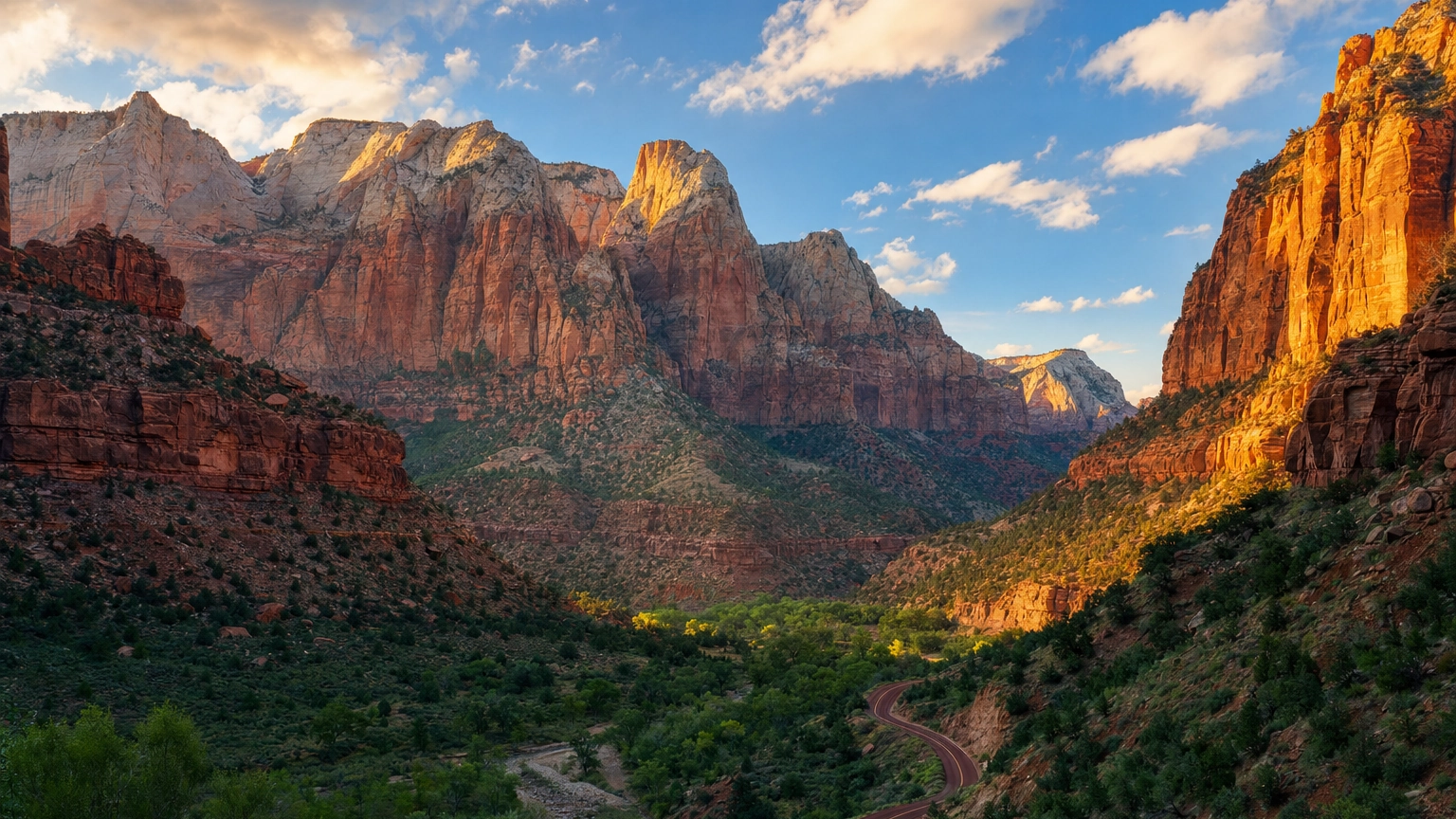
The South Rim is the Grand Canyon most people picture: the developed heart of Grand Canyon National Park, with Mather Point, the Rim Trail, Grand Canyon Village, and mile after mile of layered red-rock panorama at about 7,000 feet of elevation. It is open every day of the year. The catch is distance. At about 277 miles and roughly 4.5 hours each way from Las Vegas, a same-day round trip means nine or more hours of driving. If the round trip runs past dark, plan for an overnight near the park, or let a chauffeur split the driving both ways so no one in your group is fighting fatigue on remote highways at night.
Source: Grand Canyon National Park directions (NPS)
Sedona, Arizona (About 4.5 Hours)
Best for: An overnight escape into red-rock country, art, and wellness culture.
Sedona is about 280 miles and 4.5 hours away, and it is the one we would gently steer you toward doing as an overnight rather than a single day. The reward is worth the planning: towering red sandstone buttes glowing above a walkable town at about 4,500 feet, with jeep tours, gallery-lined streets, and a famous vortex-and-wellness scene. Cathedral Rock and Bell Rock are icons for a reason. Paired with an overnight, or folded into a larger red-rock road trip with the Grand Canyon South Rim, it becomes one of the most rewarding drives out of Las Vegas. See our guide to how far Sedona is from Las Vegas for routes and timing.
Source: Visit Sedona official site
Page, Arizona: Antelope Canyon and Horseshoe Bend (About 4.5 Hours)
Best for: Photographers chasing the two most-shared images in the Southwest, best as an overnight.
About 270 to 280 miles east, the small town of Page sits beside Lake Powell and puts two world-famous sights within minutes of each other. Antelope Canyon is a narrow slot canyon on Navajo land where shafts of light fall through sculpted sandstone walls; it can only be seen on a guided tour booked through an authorized Navajo operator. A few miles away, Horseshoe Bend is the sweeping, thousand-foot curve of the Colorado River seen from an overlook in Glen Canyon National Recreation Area. Like Sedona, Page is a stretch as a single day from Las Vegas, and most travelers pair it with an overnight or a wider Utah-Arizona loop.
Plan ahead: Antelope Canyon tours sell out, especially in the light-beam season from spring through early fall. Book a Navajo-authorized tour well in advance, and remember the canyon is on tribal land with its own fees and rules separate from the national parks.
Source: Navajo Nation Parks, Antelope Canyon | Horseshoe Bend, Glen Canyon NRA (NPS)
Bryce Canyon National Park (About 4 Hours)
Best for: Travelers who want a second Utah park beyond Zion, ideally as an overnight pair.
About 260 miles northeast and often combined with Zion, Bryce Canyon is unlike anything else on this list. Its amphitheaters are filled with hoodoos, thin spires of orange and pink rock that glow at sunrise from viewpoints along an 18-mile rim road at 8,000 to 9,000 feet of elevation. That high elevation makes Bryce a cooler summer option, but it also means snow and possible road closures in winter. Because it sits only about 1.5 hours past Zion, the two make a natural overnight pair rather than separate day trips.
Source: Bryce Canyon National Park (NPS)
Every Day Trip Compared
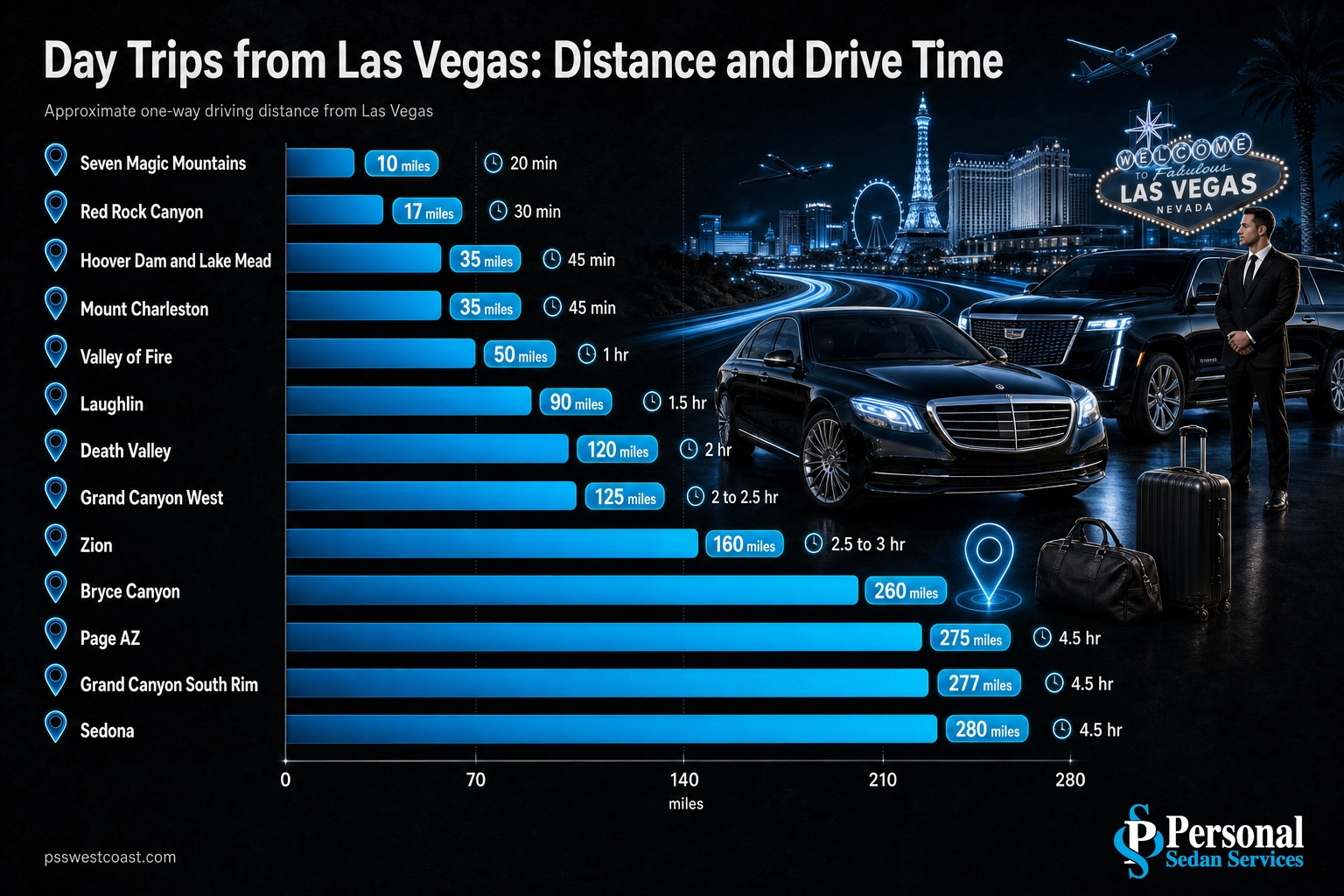
Here is every destination side by side, sorted from closest to farthest, so you can match a place to the time you actually have.
| Day Trip | Type | Distance (one way) | Drive time | Best season |
|---|---|---|---|---|
| Seven Magic Mountains | Art / quick stop | ~10 miles | ~20 min | Year-round (AM in summer) |
| Red Rock Canyon | Close-in nature | ~17 miles | ~30 min | Year-round (AM in summer) |
| Hoover Dam and Lake Mead | Landmark / water | ~35 miles | ~45 min | Year-round |
| Mount Charleston | Mountain escape | ~35 miles | ~45 min | Best in summer |
| Valley of Fire | Close-in nature | ~50 miles | ~1 hr | Fall to spring |
| Laughlin | River / casinos | ~90 miles | ~1.5 hr | Year-round |
| Death Valley | National park | ~120 miles | ~2 hr | Oct to Apr |
| Grand Canyon West | National park view | ~125 miles | 2 to 2.5 hr | Year-round |
| Zion | National park | ~160 miles | 2.5 to 3 hr | Spring to fall |
| Bryce Canyon | National park | ~260 miles | ~4 hr | Spring to fall (overnight) |
| Grand Canyon South Rim | National park | ~277 miles | ~4.5 hr | Year-round (long day) |
| Page, AZ (Antelope, Horseshoe Bend) | Slot canyon / overlook | ~275 miles | ~4.5 hr | Spring to fall (overnight) |
| Sedona | Red rock / town | ~280 miles | ~4.5 hr | Spring and fall (overnight) |
How to read this: everything down to Grand Canyon West works comfortably as a half-day or easy full-day trip. Zion is a full, early-start day. The bottom four, Bryce, the South Rim, Page, and Sedona, are best as overnights or with someone else driving so the miles do not swallow the experience.
Pick by How Much Time You Have
The single biggest factor in a happy day trip is honest math on time. Start here, then read the destination section above.

- A few free hours (half-day): Seven Magic Mountains, Red Rock Canyon, the Hoover Dam, or Mount Charleston. All are under 45 minutes each way and leave time for a show that night.
- A full day (open morning to evening): Valley of Fire, Laughlin, Death Valley, Grand Canyon West, or Zion. These need an early start but return the same day.
- An overnight (or a chauffeured long day): Grand Canyon South Rim, Sedona, Page, and Bryce Canyon. As pure day trips they are lopsided; give them a night and they shine.
Pick by Season
Southern Nevada’s biggest planning variable is heat. The same destination can be a delight in March and a hazard in July.
The summer rule: when the valley runs hot, go up in elevation, not out into the low desert. Mount Charleston, the higher park rims (Zion, Bryce, the Grand Canyon), and Sedona all sit thousands of feet above the valley floor and stay milder. Save Death Valley and Valley of Fire for October through April, when midday temperatures are safe for walking and hiking.
- Summer (June to September): Mount Charleston, Zion, Bryce, the Grand Canyon rims. Avoid Death Valley and Valley of Fire at midday.
- Fall and spring (best all-around): nearly everything is at its best, including the low-desert parks and the far Utah and Arizona drives.
- Winter (December to February): low-desert trips like Death Valley, Valley of Fire, and Red Rock are ideal, while high-elevation trips may see snow or road closures.
Two-in-One Combo Days
Some destinations sit on the same road, so a little planning turns one drive into two experiences. These are the pairings our chauffeurs run most often:
- Hoover Dam plus Grand Canyon West. The West Rim route runs right past the dam, so you can tour the dam in the morning and stand on the Skywalk by afternoon.
- Valley of Fire plus Moapa Valley. The park sits just past the town, making an easy scenery-and-small-town day to the northeast.
- Red Rock Canyon plus Mount Charleston. Both lie to the west and northwest, so a cool-air mountain afternoon pairs neatly with a morning among the red cliffs.
- Zion plus Bryce Canyon. Only about 1.5 hours apart in Utah, these two are the classic overnight pair, not two separate day trips.
Book a group vehicle for a combo day
How to Get There and Who Should Drive
With this many good options, the deciding factor is usually how you travel, not where you go. There are three honest ways to make any of these trips.
- Drive yourself. Cheapest and most flexible, but it puts the fatigue on you. That matters on the far trips, where a same-day round trip can mean nine or more hours behind the wheel.
- Join a group bus or helicopter tour. Convenient and often the only no-car option, but it runs on a fixed schedule with strangers and set stops.
- Hire a private chauffeured car. The middle path many visitors overlook: your group travels together in a luxury sedan, SUV, or van, stops where it wants, and arrives rested, with a licensed local driver who knows the routes.
Mistakes to avoid on a Las Vegas day trip: underestimating drive time (a “two-hour” park is a four-plus-hour round trip); relying on rideshare, which thins out fast outside the valley; skipping timed-entry reservations at Red Rock in the cooler months; running low on fuel or water before remote stretches; and starting too late, which turns a scenic drive home into a tired night drive.
For families, couples, and small groups who want the freedom of a road trip without the exhaustion, a private car is the most comfortable way to see the Southwest. Personal Sedan Services is the only 5-star-rated luxury transportation company in Las Vegas, with licensed, background-checked chauffeurs and a fleet that fits everything from a couple to a large group. Explore the full fleet of vehicles, or ride with a professional driver who handles the miles for you.
Book your Las Vegas day trip ride
Frequently Asked Questions
What is the best day trip from Las Vegas without a rental car?
Can you combine two day trips from Las Vegas in one day?
What is the closest national park to Las Vegas?
When is the best time of year for day trips from Las Vegas?
Is it better to rent a car or hire a chauffeur for a Las Vegas day trip?
Related Las Vegas Travel Guides
- Best day trips from Las Vegas, ranked by drive time – the companion countdown of the top 10 drives.
- How far is the Grand Canyon from Las Vegas? – every rim, distance, and drive time compared.
- Grand Canyon tours from Las Vegas – bus, helicopter, and Skywalk packages compared.
- How far is Death Valley from Las Vegas? – the closest national park, plus the best time to go.
- How far is Zion National Park from Las Vegas? – route, shuttle, and what to know.
- How far is the Hoover Dam from Las Vegas? – distance, tours, and getting there.
- How far is Laughlin from Las Vegas? – the river-town day trip in full.
- How far is Sedona from Las Vegas? – red rock country and the best route.
Sources and Methodology
Distances and drive times are approximate, measured from the Las Vegas Strip, and reflect standard driving routes; actual times vary with traffic, weather, road conditions, and stops. Park facts, fees, elevations, visitation figures, and seasonal access come from the managing agency for each destination: the National Park Service (Death Valley, Zion, Grand Canyon, Bryce Canyon, Lake Mead, Horseshoe Bend), the Bureau of Land Management (Red Rock Canyon), the U.S. Bureau of Reclamation (Hoover Dam), the Nevada Division of State Parks (Valley of Fire), the U.S. Forest Service (Mount Charleston), Grand Canyon West (operated by the Hualapai Tribe), and Navajo Nation Parks (Antelope Canyon). National visitation figures are from NPS annual visitation statistics for 2024. Fees and reservation rules change seasonally; confirm current details on each official site before you travel.